We sought to see if a visually impaired player might effectively navigate Gambloria Casino gambloriaacasino.com. Thus, we activated a screen reader and endeavored to perform everything a normal player might do. We signed up, browsed games, and even attempted to seek assistance from support. This is what we uncovered, from the standpoint of a UK player using assistive tech in 2024.
The Reason We Tested Gambloria’s Accessibility
To many users, a screen reader is more than a convenience—it’s the way they navigate the internet. With legal standards like the UK Equality Act 2010, accessibility is a right, not an extra feature. We evaluated Gambloria because every player is entitled to a equal opportunity at playing safely and without assistance. This is not about meeting formalities. The focus is on whether someone can truly enjoy themselves without hitting a wall.
Our emphasis was on the basics: could a player log in, find a game you like, and grasp the guidelines without requiring someone else to assist you? What we discovered should matter to players choosing where to play, and to casinos that seek to accommodate everyone.

Accessing Gaming Options: Slots Games and Table Game Availability
After launching a game, the results were entirely based on who made it. Offerings from major providers like NetEnt occasionally had a more favorable starting point. However many of the slots on Gambloria just appeared as a quiet extension or gaming container. Our screen reader couldn’t describe about the action inside.
The Facts of Gaming Interfaces
Game buttons inside the games were frequently invisible to us. We couldn’t access the bet slider, locate the spin button consistently, or access the paytable in a clear way. To play, you’d must memorize the controls or get assistance. That doesn’t feel like independent play. Casino tables like blackjack were harder because they’re so graphical and quick.
This is mainly the game developer’s fault, but Gambloria is responsible for hosting them. The casino could make a real difference by creating a filtered list of games that are recognized to function better with assistive technology. It would be a simple, meaningful gesture.
Diving into the Platform Lobby and Selection
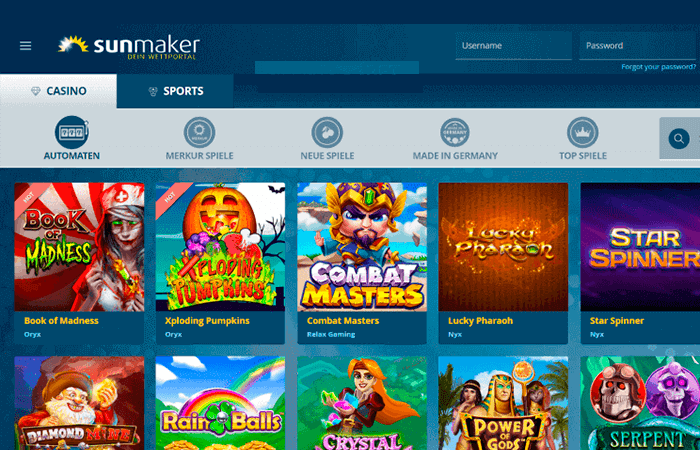
The game lobby is where you choose your game, so it must be intuitive. We could tab through Gambloria’s grid of games via the keyboard. The filtering options for slots, table games, and live casino were clearly labeled and did their job. We could narrow things down without requiring mouse input.
Issues with Game Previews and Information
The main issue here was the game images. The assistive software either said the game title or an unhelpful image name. It gave us no info about the its style, the game’s volatility, or its RTP. To find that information, we needed to load every game individually. This process was very slow.
The buttons to play for fun or real money were easy to distinguish, which was useful. However, the badges marking new or trending titles were not read out. We had no idea what titles were being promoted, so we lost that aspect of the browsing experience.
Our Testing Approach and Tools
We dedicated seven days exploring the site. Our main tool was the NVDA screen reader on a Windows PC, and we verified some things with VoiceOver on a Mac. These are common picks within the UK. We employed the most recent Chrome and Safari browsers to examine the website’s desktop version and Gambloria’s app versions.
Essential Jobs We Completed
We made a list of normal casino activities. We created a profile, completed the ID verification process, attempted to claim the welcome bonus, explored the selection of games, played some free slots, added money, and reached out to customer service. For every action, we documented the time it required, how clearly the screen reader instructed us, and if we encountered a dead end.
We observed how forms and buttons were labelled. We also focused closely on the screen reader’s handling of dynamic elements, including real-time casino streams and loading indicators. A real-world test like this highlights the shortcomings that a technical report might miss.
Promotional Terms: An Important Section
You must grasp the bonus terms to play safely. You could browse the promotion pages. They used headings to break up the text, which made reading easier. The buttons to claim a bonus typically functioned via keyboard.
The main issue was the text itself. The terms, especially the betting conditions and game exclusions, were buried in dense paragraphs. While the assistive technology could vocalize the entire text, the details was difficult to understand. Organizing these items into lists or concise overviews would assist everyone, not just visually impaired users.
Account and Banking Process
That was among the more seamless sections. Areas like registration, login, and uploading ID documents used form fields with clear labels. The assistive technology could indicate us what to enter in each input box. Adding money was clear enough; buttons for PayPal or bank card were spoken correctly.
The transaction history in the cashier used a correct table structure. The screen reader could recognize the column headers for date and amount, so we could check our transactions line by line. The only issue was with confirmation messages. A “Deposit Confirmed” alert would appear on screen, but our screen reader wouldn’t announce it at once, leaving us in momentary doubt.
Help Desk Accessibility
We tried the instant messaging, email, and FAQ. We were able to access the live chat window with the keyboard. When the support agent responded, our screen reader announced their new message, which is precisely what needs to happen. But we couldn’t readily scroll back through the chat history to review what was said earlier.
The FAQ was a clear list. Each question functioned as a button. When you pressed one, the answer expanded and was read aloud. The search bar in the help section also functioned perfectly. We were able to input a question and tab through the results. Support is operational here, even if it has a few imperfections.
Initial Thoughts: Website Structure and Layout
Finding our way was a bit of a mixed bag. The primary navigation at the top, with options for ‘Promotions’ and ‘Games’, was straightforward. The site had some layout markers to jump around, but they weren’t present throughout. This made the opening moments slower than on other sites we’ve tested. We could navigate via keyboard to search for games, which was a definite plus.
But we also discovered too many vague links. Labels like “click here” or “read more” showed up without specifying what they were for. When your screen reader reads a list of links out of context, that’s not beneficial. The navigation path showing where you are on the site was just aesthetic design; our screen reader ignored it completely, so we had to navigate back manually.
Ultimate Judgment and Room for Improvement
Gambloria Casino has created a platform that’s more user-friendly than many. You can manage your account and talk to support. But the core attraction, gaming, is still blocked by major barriers. The primary site navigation functions, but the content isn’t consistently organized for accessibility. The experience feels halfway there.
Our Recommendations for Gambloria
Gambloria should begin by releasing a understandable accessibility declaration. After that, they should audit their game portfolio and mark the more accessible titles. Simple fixes to the site’s code, like using ARIA landmarks and better form feedback, would create a significant impact. They might even pioneer the industry by working with game studios that care about this stuff.
For UK players using screen readers, Gambloria is adequate for the admin side of things. But if you prefer to play independently, you may face difficulties. We are presenting this review hoping it pushes the industry forward. Everyone should get to play on the same field.